Vertical injection molding is a variant of the traditional injection molding process, which is characterized by a different configuration in terms of mold and machine orientation.
Vertical Injection Molding Process
Vertical mold configuration: The mold is placed in a vertical position, which means that the mold cavity (the part where the material is injected) is oriented downward. This contrasts with traditional molding, where the mold is usually in a horizontal position.
Material injection: As in horizontal molding, the thermoplastic material is melted in the barrel and then injected into the mold under high pressure. In this case, the injection barrel is located in a position that allows the material to be injected efficiently into the vertical mold.
Cooling and ejection cycle: Once the material is injected and cooled in the mold cavity, the mold opens to release the molded part. In vertical molding, the ejection system often works differently, with a mechanism that allows the part to exit through the top of the mold.
Process repeatability: The process is repeated continuously, and the machine can produce multiple parts in a single cycle, depending on the mold design.
Advantages of Vertical Injection Molding
Compact design and space saving: Vertical injection molding machines are more compact compared to horizontal injection molding machines. This can be useful when space is limited on the production floor or when a higher production density is needed in a smaller area.
Lower risk of deformation: Due to gravity, molten material tends to settle more evenly in the vertical mold, which can reduce the risk of deformations or defects in parts, especially when working with materials that are difficult to flow.
Multiple cavities in a single mold: In many cases, vertical injection molding can use multi-cavity molds or even molds that allow simultaneous injection of multiple materials, which increases efficiency and reduces cycle time per part.
Easy component insertion: Vertical injection molding is particularly useful for processes that require insertion of components into the mold prior to injection of the plastic material. This type of vertical injection molding allows easier integration of metal, electrical or other inserts into plastic parts, as the mold opens vertically, making it easier to place these inserts.
Direct injection applications: The vertical system can be used in applications that require the injection of different materials or components into a plastic part.
Common Vertical Injection Molding Applications
Vertical injection molding is primarily used in the following applications:
Component insertion: It is ideal for applications where it is necessary to insert metals, electronic parts or other components into the mold before injecting plastic. This is commonly used in the manufacture of automotive parts, electronic components and medical devices.
Two or more material systems: This process is suitable for manufacturing parts that require two or more materials with different properties, such as parts with integrated plastic and metal components.
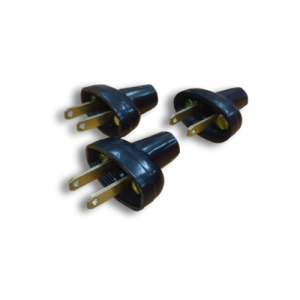
Small and medium-sized components: Used for the production of small and medium-sized parts with high precision and efficiency, such as electrical connectors, device housings and parts for the automotive or consumer sector.
Medical industry: Vertical molding is also used in the manufacture of medical devices, such as syringes, valves, and other components that require insertion of elements inside the mold prior to injection.
Contact us
Fill in your information and we will reach out to you anytime soon.