Main applications of plastics in the automotive industry
Vehicle Body and Exterior:
- Panels and structures: Many modern vehicles use plastics in body panels, such as fenders, doors and bumpers. Materials such as glass fibre reinforced polymers (GRP) or carbon composites are light and strong, reducing the weight of the vehicle, which contributes to improved fuel consumption and emissions.
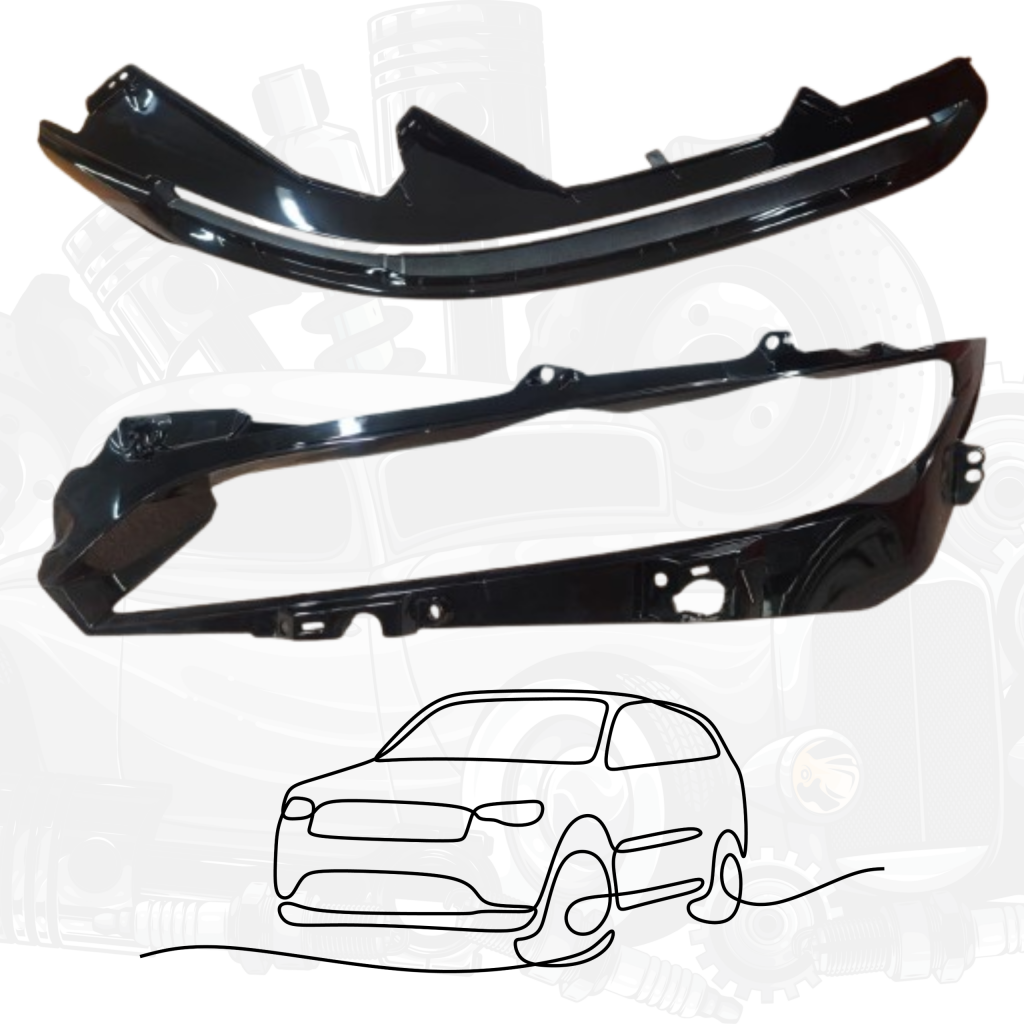
- Headlights and optics: Polycarbonate is a commonly used material for headlight and taillight covers due to its high impact resistance, optical clarity and lightness.
Interior Components:
- Dashboards: ABS (acrylonitrile-butadiene-styrene) is one of the most commonly used plastics in vehicle interiors, especially for dashboards, door covers and other visible components, due to its good aesthetics, strength and ease of moulding into different shapes.
- Seats and Upholstery: Plastic materials such as PVC and polypropylene are used in the manufacture of seats, armrests and upholstery, as they allow for the creation of durable and easy-to-clean surfaces. In addition, synthetic leather, derived from plastics, is increasingly used in vehicle interiors to provide a high-quality look and feel.
Electrical and Electronic Systems:
- Cable insulation: Polyethylene and other plastics are ideal for insulating cables and electrical systems in the vehicle, protecting them from short circuits and ensuring safe use of the vehicle.
Touchscreens and Infotainment Systems: Display panels are made of special plastics that allow for high transparency and scratch resistance.
Safety and Security Systems:
- Airbags and Safety Elements: High-strength plastics are used for covers for airbag systems and other safety-related parts. These materials are essential to ensure the integrity of the system in the event of an accident. Crash bars and
- reinforcements: The use of reinforced plastics, such as composites, in bodywork areas can help improve structural strength without increasing weight.
Engine and mechanical components:
- Engine covers and elements: Engineering plastics such as nylon and polypropylene are used in engine components, cooling systems, and engine covers due to their high thermal resistance and durability.
- Cooling systems: Plastics are also used in cooling system components, such as tubes, hoses, and connectors.